What Is Needed
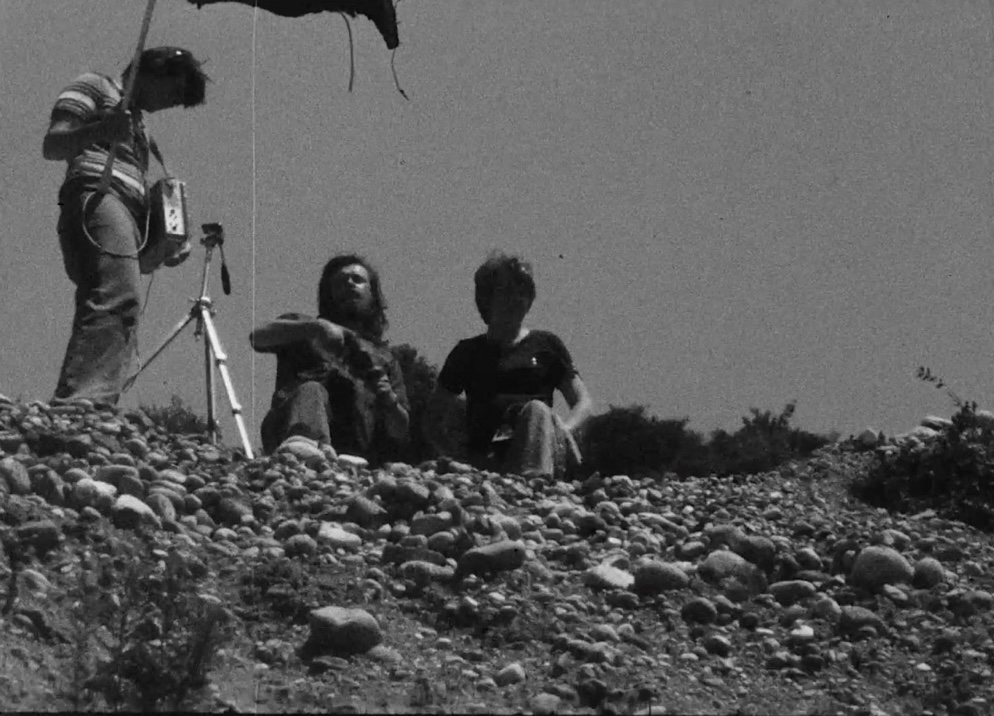
Still from Deux festivals à Grenoble (Ateyyat al-Abnoudi, 1974), courtesy of Cinémathèque de Grenoble
Organised in post-revolutionary Portugal, the Mostra Internacional de Cinema de Intervenção (1976) was a unique effort to connect movements of liberation and emancipation. The festival’s combination of militant films from the Global North and South suggests that cinema’s potential for intervention was essentially indebted to Third-Worldist networks of audiovisual independence.Through the lens of the five decades that have passed since the Mostra, ‘What Is Needed’ looks at the contradictions of integrating “intervention” into the institutions of a post-fascist, liberal democratic society that, contrary to all claims, sustains Western supremacy.
24 & 25 April 2026
European Media Art Festival Osnabrück
24 April, 17:30, Lagerhalle
Applied Magnetics – O Início de uma Luta
Cinequipa, PT 1975, 43’, black & white, stereo, PT w/ EN subs
Applied Magnetics follows workers struggling for self-management after a multinational corporation of the same name shuts down its factory in Portugal during the revolutionary process. Produced by Cinequipa (with uncredited direction by Fernando Matos Silva), one of the first film cooperatives officially established after the 1974 coup d’état, in the context of wider efforts for collectivisation, Applied Magnetics is an exceptional film from the corpus of Portuguese revolutionary cinema. Not only because it focuses on industrial labour and working women, but also because it captures aspirations for cultural emancipation.
Preceded by a conversation with Ana Algarra Navarro (University of Lisbon and Complutense University of Madrid)
25 April, 15:30, Lagerhalle
Deux festivals à Grenoble
Ateyyat al-Abnoudi, FR 1974, 29’, black & white, stereo, FR w/ EN subs
After receiving awards for her films Horse of Mud and Sad Song of Touha at the Grenoble International Short Film Festival in 1973, the Egyptian documentary filmmaker Ateyyat al-Abnoudy returns for the following edition to film behind the scenes. Deux festivals à Grenoble documents the organization of the festival and the relation of its various stakeholders: organizers, filmmakers, publics. Made collaboratively in a workshop, the film is itself a document of attempts to demystify cinema and give it shape as another culture outside of commercial and institutional frameworks.
Followed by a conversation with Stefanie Baumann (Doc’s Kingdom) and Cecilia Valenti (University of Mainz).